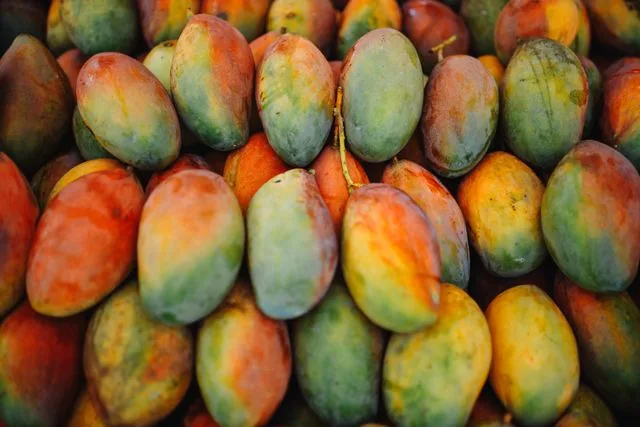
10 benefits of mango sexually
Mango is one of the most eaten fruits on the planet. Over 50 million tons are produced every year. And yet most people eating it have no idea it’s one of the better foods you can add to your diet specifically for sexual health.
That’s not a marketing claim. The nutrients inside a single medium mango, vitamin E, zinc, folate, vitamin A, arginine, and a handful of antioxidants, directly support the biological systems behind libido, arousal, blood flow, hormone production, and fertility.
This article covers all 10 benefits of mango sexually, backed by what the research actually shows. I’ll also cover mango benefits for men sexually specifically, answer whether mango increases sex drive, and tell you exactly how much to eat.
Why mango works for sexual health
Before getting into the list, here’s the short version of why this fruit matters.
Sexual function depends on 4 main biological systems: hormones, circulation, nerve signaling, and energy metabolism. If any of those break down, you feel it in the bedroom.
Mango feeds all 4. Zinc drives testosterone synthesis. Arginine increases nitric oxide, which widens blood vessels. B vitamins power your energy metabolism. Antioxidants protect reproductive cells from oxidative damage.
So when people ask “does mango increase sex drive?” the honest answer is: yes, through real physiological pathways. Not magic. Just nutrition.
1. It raises testosterone
Zinc is the mineral most directly tied to testosterone production. Your testes need it to synthesize testosterone, and your body can’t store zinc, so you need it consistently from food.
One medium mango contains roughly 0.2 mg of zinc. That’s not massive on its own, but it adds up if you’re eating it daily alongside other zinc-rich foods. Men with zinc deficiency consistently show lower testosterone levels in clinical studies. Fixing the deficiency raises testosterone, sometimes significantly.
For mango benefits for men sexually, this is the most direct link. Testosterone drives libido, erection quality, and stamina.
2. It genuinely increases sex drive
Vitamin E in mango plays a real role in sex hormone synthesis. It’s involved in the production of both testosterone and estrogen, and it protects the endocrine glands from oxidative stress that can blunt hormone output.
Does mango increase sex drive? Vitamin E is part of why the answer is yes. Research published in the *Journal of Reproductive Biology* found that vitamin E supplementation improved sexual behavior in animal models by raising circulating sex hormones. The effect in humans is more modest, but it’s there.
And honestly, vitamin E shows up in so few whole foods that mango stands out. A medium mango gives you about 15% of your daily vitamin E target.
3. It improves blood flow to the genitals
This one works through arginine, an amino acid mango contains in small but meaningful amounts.
Your body converts arginine into nitric oxide. Nitric oxide is a vasodilator. It signals the smooth muscle in blood vessel walls to relax, widening the vessels and increasing blood flow throughout your body, including to genital tissue.
For men, that means firmer erections. For women, it means increased clitoral sensitivity and better lubrication response. The same mechanism is what erectile dysfunction drugs like sildenafil target, they just work further down the same chemical pathway.
Eating mango won’t replace a prescription. But arginine-rich foods consistently improve vascular function in people with mild to moderate circulation issues.
4. It protects sperm quality
This is one of the strongest mango benefits for men sexually, especially for men thinking about fertility.
A single medium mango delivers about 60 mg of vitamin C, which is roughly 67% of the recommended daily intake. Vitamin C is a potent antioxidant that protects sperm from oxidative damage.
Here’s why that matters: sperm cells are especially vulnerable to free radicals because they have very little cytoplasm to buffer oxidative stress. When free radicals damage sperm DNA, it reduces fertilization rates and increases miscarriage risk.
Studies have consistently found that men with higher dietary antioxidant intake show better sperm motility and morphology. Beta-carotene in mango (which converts to vitamin A) adds a second layer of antioxidant protection on top of the vitamin C.
5. It regulates reproductive hormones
Folate is one of the most underrated nutrients for sexual and reproductive health. Mango has about 71 mcg per medium fruit, roughly 18% of the daily target.
For women, folate is directly involved in estrogen metabolism. Low folate is tied to irregular ovulation, shorter luteal phases, and disrupted menstrual cycles. All of those affect libido and sexual response.
For men, folate supports spermatogenesis (the production of new sperm cells). Men with low folate levels show higher rates of chromosomal abnormalities in sperm. A 2008 study in Human Reproduction found that men with higher dietary folate had significantly better sperm parameters.
So if your hormones feel off and your libido has quietly dropped, your folate intake is worth checking.
6. It fights inflammation that suppresses libido
Chronic low-grade inflammation is one of the quietest killers of sexual health. It raises cortisol, suppresses testosterone, reduces blood flow, and blunts the neural signals involved in arousal. Most people don’t connect their low sex drive to systemic inflammation because the symptoms are diffuse.
Mango contains mangiferin, a xanthonoid polyphenol unique to the mango plant. Research on mangiferin shows meaningful anti-inflammatory activity, particularly in suppressing NF-kB, a protein complex that controls the expression of inflammatory genes.
It’s not an anti-inflammatory drug. But consistent consumption of anti-inflammatory foods, mango included, does measurably lower CRP (C-reactive protein), which is the standard blood marker for systemic inflammation.
7. It fuels energy and sexual stamina
Sex is physically demanding. Fatigue is one of the most common reasons people avoid it or perform poorly.
Mango’s natural sugars (fructose and glucose) give you fast, usable energy without the crash you get from refined sugar. The glycemic load of mango is moderate, meaning it raises blood sugar gradually rather than spiking it.
Vitamin B6 in mango is the more important piece here. B6 is essential for converting the food you eat into ATP, the actual currency of cellular energy. It also plays a role in neurotransmitter synthesis, including dopamine and serotonin, both of which affect motivation and arousal.
A 2019 review in Nutrients found that B6 deficiency was associated with fatigue, low mood, and reduced physical performance. Those are exactly the conditions that tank your sex life.
8. It supports mood and reduces stress
Cortisol is testosterone’s enemy. When you’re stressed and cortisol is chronically elevated, testosterone production drops. Arousal signals get muted. Libido falls.
Mango helps here through 2 pathways. First, vitamin B6 is a cofactor in serotonin synthesis. More serotonin generally means lower anxiety and better emotional regulation. Second, magnesium in mango (about 19 mg per fruit) is involved in the HPA axis response, the system that controls your stress hormone output.
Magnesium deficiency is shockingly common, with estimates suggesting 50-60% of adults in developed countries don’t meet the daily requirement. And low magnesium is directly tied to elevated cortisol and anxiety.
Mango won’t fix clinical anxiety. But if your stress levels are eating into your sex drive, it’s part of a real solution.
9. It supports vaginal health and lubrication
Vitamin A is critical for maintaining the mucosal tissue that lines the vaginal canal. Mango is one of the best fruit sources of beta-carotene, which your body converts to vitamin A based on need. One medium mango gives you roughly 25% of your daily vitamin A target.
Inadequate vitamin A causes mucosal tissue to thin and dry out. That directly causes vaginal dryness and discomfort during sex. Research in women with vitamin A deficiency found that supplementation improved vaginal epithelial health within weeks.
This one often gets overlooked in conversations about mango benefits for men sexually, but for women, it’s arguably the most direct benefit.
10. It supports fertility in both sexes
Put everything together: better sperm quality, regulated hormones, improved circulation, reduced inflammation, healthier mucosal tissue.
Mango contributes to all of it.
For couples actively trying to conceive, folate alone makes mango worth eating daily. It’s one of the top preconception nutrients for a reason. Oxidative stress is the other major fertility factor mango addresses, through vitamin C, vitamin E, and beta-carotene working together.
A 2020 review in Antioxidants concluded that dietary antioxidant intake was significantly associated with better outcomes in both male and female fertility. Mango is one of the more complete whole-food sources of those antioxidants.
Mango benefits for men sexually (short version)
Men specifically benefit from mango through zinc (testosterone), arginine (blood flow and erection quality), vitamin C and beta-carotene (sperm protection), and folate (sperm production).
If you’re dealing with low testosterone, poor erection quality, or fertility concerns, mango alone won’t solve it. But it’s a genuinely useful dietary addition, and unlike supplements, it comes packaged with fiber, water, and other micronutrients that support overall health.
Does mango increase sex drive?
Here’s the honest answer
Yes, through vitamin E’s role in sex hormone synthesis and zinc’s role in testosterone production.
But “increase sex drive” is doing a lot of work as a phrase. If your libido is low because of a medical condition, relationship stress, medication side effects, or sleep deprivation, eating mango won’t fix it.
Where mango works is at the nutritional layer. If your sex drive is low partly because of suboptimal nutrition, hormonal imbalances driven by deficiencies, or poor circulation, then fixing those deficiencies through food will help. Mango addresses several of them at once.
How to eat mango for maximum benefit
Fresh or frozen, not processed.Mango juice and dried mango lose most of the vitamin C and some of the vitamin E. The fiber is also stripped in juice form, which changes how the sugars absorb.
1 medium mango per day is a reasonable amount. That’s roughly 200g, about 135 calories, and enough to make a meaningful contribution to your daily vitamin A, C, E, folate, and zinc intake.
Eat it with a source of fat. Beta-carotene and vitamin E are fat-soluble, meaning your body absorbs them better when there’s dietary fat present. A handful of nuts alongside your mango, or mango in a smoothie with full-fat yogurt, works well.
A note on realistic expectations
Mango is food. It’s not a supplement, not a drug, not a cure for erectile dysfunction or hormonal disorders.
What it is: a nutritionally dense fruit that supports the biological systems involved in sexual health. Consistently. Over time. As part of a diet that also covers your protein, sleep, exercise, and stress management.
If you’re expecting overnight results, you’ll be disappointed. If you eat it daily for 60 days as part of a genuinely good diet, I’d be surprised if you don’t notice something.
This article is for informational purposes only. If you’re experiencing sexual dysfunction, low libido, or fertility concerns, speak with a qualified healthcare provider. Nutrition supports health but doesn’t replace medical care.
Who should be extra careful with mango
Mango is safe for most people. But a few groups need to pay attention.
Diabetics and pre-diabetics:mango has a moderate glycemic index, around 51. That’s lower than most people expect, but the portion size matters. Stick to half a mango if you’re managing blood sugar, and always pair it with protein or fat to slow absorption.
People with latex-fruit syndrome: some people allergic to latex cross-react with mango, specifically the skin. Peeling mango without touching the skin, or buying pre-cut mango, removes most of the risk.
Anyone on blood thinners: mango is high in vitamin K. If you’re on warfarin or similar anticoagulants, sudden large increases in vitamin K-rich foods can affect your INR levels. Talk to your doctor before dramatically increasing your mango intake.
For everyone else, 1 mango a day is a completely reasonable addition to a balanced diet.
The bigger picture
Sexual health reflects overall health. You can’t separate them.
Blood flow, hormone balance, energy levels, inflammation, mood, sleep quality. All of it feeds into how you feel and function sexually. Mango improves several of those inputs at once, which is why it consistently shows up in discussions of foods that support sexual health.
Eat it. Enjoy it. And build the rest of your diet around the same principle: real food, consistent nutrition, specific choices that serve specific functions.
That’s how you actually move the needle.
Read this Article:-Safed musali benefits for female -Safed musali benefits for female
FAQ: mango and sexual health
Does mango increase sex drive?
Yes, through a few real pathways. Vitamin E in mango is directly involved in sex hormone synthesis, both testosterone and estrogen. Zinc supports testosterone production. More of either hormone circulating in your body generally means stronger libido.
It won’t work overnight. But eating mango consistently as part of a good diet does move the needle over time.
What are the main mango benefits for men sexually?
The 4 that matter most: zinc raises testosterone, arginine improves blood flow and erection quality, vitamin C and beta-carotene protect sperm from oxidative damage, and folate supports sperm production.
If you’re dealing with low energy or reduced sex drive and your diet is poor, mango is a genuinely useful place to start.
How much mango should I eat for sexual health benefits?
1 medium mango per day is enough. That’s roughly 200g and about 135 calories.
Eat it fresh or frozen. Juice and dried mango lose most of the vitamin C and change how the sugars absorb. Pair it with a fat source (nuts, yogurt, avocado) because vitamin E and beta-carotene absorb better with dietary fat present.
Can mango help with erectile dysfunction?
Mango contains arginine, which your body converts to nitric oxide. Nitric oxide relaxes blood vessel walls and improves circulation, including to penile tissue.
It’s the same basic mechanism that erectile dysfunction medications target, just much further upstream. If your ED is partly driven by poor vascular health and nutrition, mango can be part of the fix. If there’s a more serious underlying cause, see a doctor.
Does mango improve sperm quality?
The evidence points to yes. Vitamin C (about 60 mg per medium mango) and beta-carotene are antioxidants that specifically protect sperm DNA from oxidative damage. Studies consistently show men with higher antioxidant intake have better sperm motility and morphology.
Folate in mango also matters. Low folate is tied to higher rates of chromosomal abnormalities in sperm.
Is mango good for women’s sexual health too?
Absolutely. Vitamin A (from beta-carotene) maintains the mucosal tissue lining the vaginal canal. Low vitamin A is directly tied to vaginal dryness and discomfort during sex. Folate supports estrogen metabolism and regular ovulation. Vitamin E helps with sex hormone production.
So yes, mango benefits for men sexually get more press, but the benefits for women are just as real.
Can mango help with fertility?
Yes, for both sexes. Folate is one of the most recommended preconception nutrients for a reason. Vitamin C, vitamin E, and beta-carotene protect reproductive cells from oxidative stress, which is one of the leading causes of both male and female infertility.
A 2020 review in Antioxidants found that higher dietary antioxidant intake was significantly associated with better fertility outcomes. Mango hits several of those antioxidants at once.
Does mango affect testosterone directly?
Zinc in mango plays a direct role in testosterone synthesis. Your testes need zinc to produce testosterone, and your body can’t store it, so consistent dietary intake matters.
The zinc amount per mango (roughly 0.2 mg) is modest. But it contributes, especially alongside other zinc-rich foods like pumpkin seeds, beef, or legumes.
Are there any downsides to eating mango for sexual health?
A few things worth knowing.
If you’re diabetic or pre-diabetic, stick to half a mango and pair it with protein or fat to slow the sugar absorption. The glycemic index is around 51, which is moderate.
If you’re on blood thinners like warfarin, mango’s vitamin K content can affect your INR levels. Talk to your doctor before dramatically increasing your intake.
For most people, 1 mango a day has no meaningful downside.
How long does it take for mango to improve sexual health?
There’s no honest single-number answer here. Nutrient deficiencies take weeks to correct. Hormonal changes from dietary shifts typically show up over 4 to 8 weeks.
If your sex drive has dropped partly because of poor nutrition, you’ll probably notice something within 6 weeks of consistent dietary improvement. Mango won’t do it alone, but it’s a real piece.
Does mango work better than supplements for sexual health?
I’d say: it depends on the deficiency and the person.
Whole food mango gives you vitamin E, zinc, folate, vitamin C, beta-carotene, magnesium, B6, arginine, mangiferin, and fiber all in one package. Supplements give you isolated nutrients, often in doses higher than food can deliver.
For moderate nutritional gaps, food tends to be more sustainable and comes with fewer risks than high-dose supplementation. For diagnosed deficiencies, supplements are faster. Both have a place.
This FAQ is for informational purposes only. If you’re experiencing sexual dysfunction, fertility issues, or hormonal concerns, please speak with a qualified healthcare provider.
